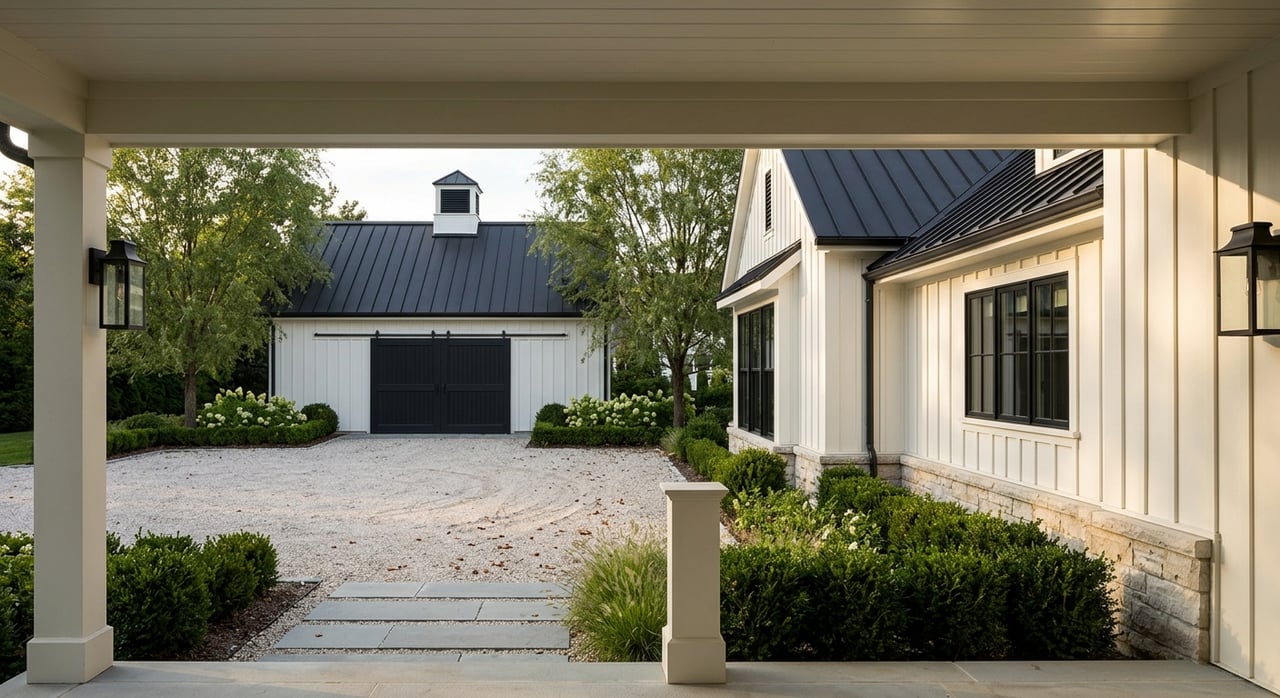
Looking for a place where open land, horse-country character, and polished farmhouse style can all make sense in one address? Milton offers a rare mix of rural atmosphere and suburban convenience, which is exactly why it stands out for buyers who want more than a standard neighborhood home. If you are exploring horse properties, large lots, or a modern farmhouse lifestyle in North Fulton, this guide will help you understand what makes Milton different and what to watch for as you search. Let’s dive in.
Why Milton Fits This Lifestyle
Milton was formed in 2006 from parts of unincorporated Fulton County, and the city continues to describe itself as a rural setting with suburban access. That balance is a big part of the appeal. You can enjoy more land, more privacy, and a more scenic everyday setting without feeling cut off from the broader North Atlanta area.
The city covers 38.49 square miles and has an estimated 41,266 residents in 2025. Milton also reflects a high-value housing market, with a median owner-occupied home value of $789,000 and a median household income of $171,295. For many buyers, that points to a market where larger parcels, custom homes, and estate-style living are a real part of the landscape.
Another important piece is land use. Milton says about 85% of its land is agriculturally zoned, which means residential lots must be at least one acre, and more than 90% of the city is classified as low or very low density residential. That planning framework helps preserve the spacious, rural feel that draws buyers to Milton in the first place.
Equestrian Living in Milton
Milton’s equestrian identity is not just a marketing phrase. The city has a formal Equestrian Committee whose mission is to promote and protect the interests of equestrian enthusiasts and farm owners. That tells you this lifestyle is part of the city’s long-term character, not an afterthought.
Just as important, Milton defines its equestrian community broadly. Some residents own horses, some ride regularly, and some simply enjoy living near pastures, barns, and open land. If you love the setting and visual character of horse country, you do not need to own a full horse property to enjoy what Milton offers.
Horse properties are also spread throughout Milton rather than concentrated in just one area. That gives buyers more flexibility. Instead of narrowing your search to one pocket, you can look across multiple parts of the city for acreage, equestrian improvements, or simply a home with the right setting.
Riding Without Owning a Horse Property
Not every equestrian-focused buyer wants a barn in the backyard. Milton notes that many people connect with the equestrian lifestyle through local riding facilities, and the city is building a list of licensed facilities for different rider levels and disciplines. That can be helpful if you want access to riding without taking on the full responsibility of maintaining your own horse property.
For some buyers, this is the sweet spot. You can prioritize a beautifully designed home on a larger lot, enjoy the broader character of the area, and still stay connected to riding opportunities nearby.
Trails and Road Design Matter
Milton’s planning around trails also supports the equestrian story. The city’s Trails Advisory Committee works on opportunities for people to walk, bicycle, and ride horses, and the transportation plan considers pedestrians, bicyclists, and equestrians together. That is a meaningful detail because it shows horseback riding is part of how Milton thinks about movement and public space.
The city’s trail plan also treats Milton’s gravel-road network as part of a larger multiuse trail system. For buyers, that helps explain why certain roads, rights-of-way, and rural design features feel so tied to the lifestyle here. The setting is not accidental. It is part of how Milton has chosen to preserve its identity.
What Horse-Property Buyers Should Expect
If you are shopping for acreage in Milton, it helps to know how the city describes larger parcels. Milton defines a large lot as 3 acres or larger, and the city’s own language around these properties includes horses in pastures, set-back homes, and wooded frontages. That gives you a good picture of what many buyers are hoping to find.
You may also come across properties with improvements such as barns, run-in sheds, and covered riding arenas. City discussions around large lots specifically mention these types of equestrian structures, along with easier rebuilding of existing equestrian improvements. In practical terms, that means Milton has a real framework for horse-property living, not just a handful of isolated farmhouses.
That said, it is important to understand the local rules and property setup before you buy. The details of land use, utilities, and allowable improvements can shape whether a property fits your goals now and later.
Animal Limits Outside Agricultural Zones
Outside agricultural zones, Milton caps horses, mules, asses, and cows at five per premises, with specific exceptions for certain licensed or public facilities. If you are considering a property for personal horse use, this is one of those facts you want to confirm early. A home may feel like a horse property visually, but its zoning context still matters.
This is one reason a guided search matters in Milton. The right property is not just about acreage or curb appeal. It is also about whether the land, improvements, and local rules support the lifestyle you actually want.
Septic, Water, and Sewer Considerations
One of the biggest practical differences in Milton is utilities. The city does not provide water or sewer service, and many lots of one acre or more rely on septic. Homeowners are responsible for maintaining their own septic systems, so this is not a detail to skim past.
For buyers relocating from denser suburban areas, this can be a major adjustment. You may need to evaluate septic capacity, maintenance history, and how utility setup affects future plans for the property. It is part of buying in a place where land and privacy are more central to the experience.
Farmhouse Style That Feels Right in Milton
Farmhouse design is popular in many markets, but in Milton it often feels more grounded in the setting. The city’s strategic plan describes Milton as a rural community with equestrian character and modern rustic architecture. That makes farmhouse-inspired homes feel like a natural fit when they are done thoughtfully.
Modern farmhouse style is often defined by clean lines, neutral palettes, modern finishes, and features like exposed beams, reclaimed wood, open shelving, ample cabinetry, vaulted ceilings, barn doors, and black-and-white trim. In Milton, those elements tend to work best when they support the larger-lot lifestyle rather than trying too hard to imitate a working farm.
A well-designed Milton farmhouse usually feels comfortable next to fields, barns, mature trees, or a long driveway. The strongest versions of the style often blend simple forms, natural materials, and open interior layouts with a sense of calm and functionality.
What Buyers Often Love in Farmhouse Homes
If you are drawn to farmhouse living in Milton, you may find yourself prioritizing features like:
- Open kitchens and living spaces
- Vaulted ceilings or exposed beams
- Neutral finishes with warm wood tones
- Large porches or outdoor entertaining areas
- Mudrooms, storage rooms, or flexible utility space
- Windows that frame wooded, pasture, or backyard views
These features are not exclusive to one price point or one part of Milton. What matters most is how the home relates to the land around it and whether the design supports your daily lifestyle.
Not Every Milton Home Is a Horse Farm
This is one of the most important points for buyers to understand. Milton is not one uniform housing type. The city includes large-lot rural areas, but it also has denser nodes around places like Crabapple and Deerfield/Highway 9.
That means you can find several versions of Milton living. One buyer may want acreage, equestrian improvements, and maximum privacy. Another may want a refined home with farmhouse design cues and a more manageable lot, while still enjoying Milton’s rural character and broader setting.
This variety is part of the appeal. You do not have to force your search into an all-or-nothing choice between full farm living and a conventional suburban neighborhood. Milton offers a range of ways to live into the aesthetic and pace that attract people here.
Why Milton Feels Different
What makes Milton stand out is not just style. It is the combination of land-use policy, equestrian heritage, and preservation-minded planning. Plenty of places can build a home with black windows, white siding, and a sliding barn door. Far fewer places have the zoning patterns, trail planning, and rural identity to make that design language feel authentic.
Milton also remains practical for many buyers who need access to the larger metro area. The average commute time is 28 minutes, which supports the idea that you can have a country feel with suburban access. That blend is a big reason Milton continues to attract buyers looking for both lifestyle and long-term value.
How to Search Smart in Milton
If Milton is on your shortlist, a smart search starts with clarity about the lifestyle you want most. Before falling in love with finishes alone, think through the land, utility setup, and daily-use priorities that matter to you.
A focused search usually includes questions like:
- Do you want a true horse property or just the setting of one?
- Is a 3-acre-plus large lot important to you?
- Are you comfortable with septic maintenance and utility considerations?
- Do you want existing equestrian structures such as a barn or arena?
- Are you looking for modern farmhouse design, traditional estate style, or a blend of both?
- How much land do you want to maintain over time?
In a market like Milton, the best fit is often more nuanced than a saved-search filter can capture. The right guidance can help you weigh design, land use, and resale considerations together so you can buy with confidence.
If you are considering Milton for equestrian living, acreage, or a farmhouse-style home, working with someone who understands both the numbers and the lifestyle matters. Casey Rutherford brings a design-aware, data-driven approach to North Atlanta real estate, helping you narrow in on the properties and settings that truly match how you want to live.
FAQs
What makes Milton, GA attractive for equestrian living?
- Milton has a strong equestrian identity, horse properties spread throughout the city, planning that includes horseback riding, and a rural land-use pattern that supports larger lots and open space.
What should buyers know about horse properties in Milton, GA?
- Buyers should look beyond the home itself and review zoning context, acreage, existing equestrian improvements, animal limits outside agricultural zones, and whether the property relies on septic.
What is considered a large lot in Milton, GA?
- Milton defines a large lot as 3 acres or larger.
Do homes in Milton, GA usually have sewer service?
- Not always. Milton does not provide water or sewer service, and many lots of one acre or more rely on septic systems maintained by the homeowner.
Are horse properties all located in one part of Milton, GA?
- No. The city says horse farms are spread throughout Milton rather than concentrated in a single area.
Is modern farmhouse style a natural fit in Milton, GA?
- Yes. Milton’s rural character, equestrian setting, and modern rustic architectural identity make farmhouse-inspired design feel especially at home when it suits the land and lifestyle.