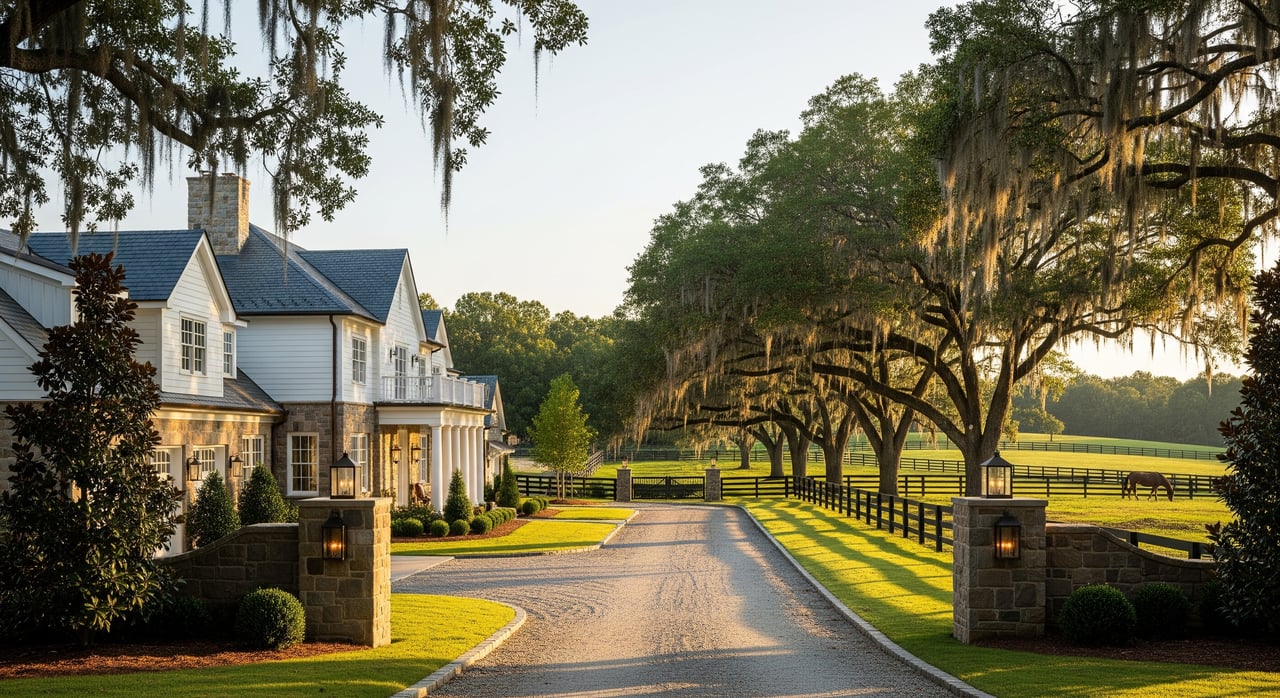
Thinking about Milton, GA and wondering what day-to-day life actually feels like? You hear about the acreage, the horses, and the charming Crabapple village, but it can be hard to picture the rhythm of living here. If you want space, a strong sense of community, and quick connections to North Atlanta job centers, Milton might be a fit. In this guide, you’ll get a clear view of neighborhoods, schools, commutes, equestrian living, and everyday amenities so you can decide with confidence. Let’s dive in.
Milton at a glance
Milton sits in north Fulton County and is known for a low-density, family-oriented lifestyle with intentional preservation of rural and equestrian character. The city emphasizes large lots, horse properties, and a small historic downtown in Crabapple rather than dense development. Housing leans toward single-family homes, including estate properties on acreage and newer subdivisions with amenities.
City planning and zoning reinforce this identity. Large-lot zoning and protections for equestrian uses help preserve open space and rural views. If you value privacy, mature trees, and room to spread out, Milton’s built environment delivers that feel while keeping you within reach of North Atlanta.
Milton neighborhood types
Historic Crabapple village
Crabapple is the most walkable pocket of Milton. You’ll find a compact mix of restaurants, boutiques, and community events that make it a social hub. The vibe is small-town and charming. If you want village energy with a suburban backdrop, start your search here.
Who it fits:
- You prioritize walkable dining and coffee.
- You want a small-town feel without giving up suburban convenience.
Estate and equestrian areas
Across broad stretches of Milton, you’ll see large acreage parcels, private barns, arenas, and pastures. Roads can be quieter and more scenic, and properties often support horses or hobby farming. The feel is country-living within commuting distance of North Atlanta.
Who it fits:
- You want privacy, room for animals, or space for projects.
- You prefer mature trees and large setbacks over dense subdivision living.
Newer subdivisions with amenities
Milton also offers gated and HOA neighborhoods built from the 1990s through the 2010s. Many include community pools, clubhouses, and sidewalks. Lot sizes are larger than you might see in closer-in suburbs, though smaller than estate tracts.
Who it fits:
- You want neighborhood amenities and a consistent look and feel.
- You like being close to schools and community social life.
Perimeter areas near Alpharetta
Along Milton’s edges, especially toward Alpharetta and major corridors, the environment feels more suburban-urban. You’re closer to retail, dining, and employment centers like downtown Alpharetta and Avalon. Commutes to local office parks can be shorter from here.
Who it fits:
- You want quick access to shopping and restaurants.
- You prioritize shorter drives to North Fulton workplaces.
Schools and education in Milton
Public schools that serve Milton are part of Fulton County Schools. Attendance zones vary by exact address, so always confirm assignments with the district’s official boundary maps or school lookup before you choose a home. Many nearby public and private schools receive favorable attention from third-party sites, but use objective state report cards and recent performance data to form your own view.
If you are exploring private options, North Fulton offers independent day schools, religious-affiliated programs, Montessori, and classical models. Admissions timelines and seat availability can change quickly. Plan ahead, schedule tours early, and align your home search with enrollment needs.
Quick tips:
- Verify attendance zones and any capacity limits before making an offer.
- Review objective metrics such as state test results, graduation rates, and college readiness.
- If private school is a priority, understand waitlists and timelines well in advance.
Commutes and getting around
Milton is primarily car-dependent. Most residents drive, and MARTA rail does not extend to Milton. Local roads connect you to Alpharetta, Roswell, and Cumming, and many commuters travel to North Fulton office parks, Buckhead, or Midtown.
During peak periods, many North Fulton commuters experience about 25 to 45 minutes one way to employment centers, depending on your starting point and route. Travel times vary widely by neighborhood and time of day, so test your commute during the hours you care about most. If transit access is a top priority, areas closer to MARTA or east of GA 400 typically offer more options than Milton.
Equestrian living and zoning basics
Milton is known regionally for its equestrian-friendly environment. Large-lot zoning and rural land-use designations support horse properties, boarding facilities, and riding arenas in specific pockets. If you plan to keep horses or build equestrian structures, confirm permitted uses, setbacks, and any required permits with the City of Milton before you buy.
Practical considerations:
- Understand ongoing costs, including feed, vet care, maintenance, and insurance.
- Confirm utilities, including public sewer vs septic, and any well or environmental requirements.
- Review driveway access, private road maintenance, and whether any conservation easements or floodplains affect the property.
- Be mindful of neighbor considerations and community trail access rules.
Everyday amenities and community life
Crabapple offers a local cluster of shops and restaurants that anchors community events and weekend routines. For larger retail and dining, you will likely head to nearby Alpharetta, including downtown Alpharetta and Avalon. Grocery stores and services are accessible in surrounding corridors, though some Milton pockets sit farther from big-box retail.
Outdoor recreation is a strong suit. You will find parks, trails, and greenways across Milton and neighboring cities that support walking, biking, and youth sports. Golf courses and private clubs are part of the North Fulton landscape. For healthcare and specialty services, residents often look to Alpharetta and Roswell, with major medical centers in Atlanta proper.
Housing market and costs
Milton’s median home values and sale prices tend to run higher than many metro averages due to larger lots and higher-end housing stock. The supply of true estate and equestrian properties is limited, so inventory can feel tight in that segment. Recent years saw strong price growth across North Fulton, followed by some normalization in 2023 and 2024.
When budgeting, account for property taxes assessed by Fulton County, any HOA fees, and higher maintenance needs for acreage or equestrian uses. If you are set on a specific pocket or lot size, plan for competition and be ready to move quickly when a match appears. Local expertise is essential for off-market leads and clear pricing guidance.
Is Milton right for you?
You will likely love Milton if you want larger yards, quiet streets, and a rural feel paired with suburban convenience. It is a smart match for buyers seeking equestrian or estate homes and for families who value space and community events. If you prefer short public-transit commutes or dense, walkable nightlife, Milton may feel too spread out.
If you want help matching your lifestyle to the right pocket of Milton, reach out. From neighborhood orientation and school-fit guidance to off-market sourcing, you can move forward with clarity and confidence.
Ready to explore Milton in person? Schedule a Market Consultation with Casey Rutherford for a curated tour and a data-backed plan.
FAQs
What is living in Milton like compared to Alpharetta?
- Milton offers a lower-density, rural-equestrian feel and larger lots, while Alpharetta provides more immediate access to retail, dining, and employment centers.
Which Milton neighborhoods are most walkable for dining and shops?
- The historic Crabapple village is Milton’s most walkable pocket, with a compact mix of restaurants, boutiques, and regular community events.
How are public school zones assigned in Milton?
- Milton is served by Fulton County Schools, and attendance zones vary by address, so confirm assignments with the district’s official maps or lookup tool.
What are typical commute times from Milton to job centers?
- Many North Fulton commuters experience about 25 to 45 minutes one way during peak hours, with times varying by neighborhood, route, and day.
Can I keep horses on residential property in Milton?
- In many areas, large-lot zoning and rural designations allow equestrian uses, but you should verify permitted uses, setbacks, and permits with the city.
What ownership costs should I plan for beyond the mortgage?
- Budget for Fulton County property taxes, any HOA fees, utilities, maintenance of acreage, and additional costs if you own or board horses.