Trying to choose between Alpharetta, Milton, and Roswell? You are not alone. These three North Atlanta cities are close to each other on a map, but they can feel very different once you start looking at home prices, neighborhood layout, commute patterns, and everyday lifestyle. If you are weighing where you will feel most at home, this guide will help you compare the big-picture differences and narrow in on the right fit for your goals. Let’s dive in.
Start With the Big Picture
If you want a simple shorthand, think of the choice this way: Alpharetta offers convenience and polish, Milton offers space and privacy, and Roswell offers character and in-town texture. That summary lines up with each city’s planning priorities, built environment, and citywide lifestyle profile.
There is not one “best” option for every buyer. The right choice depends on what matters most to you, whether that is a lower-density setting, a more established feel, easier access to activity centers, or a certain price range.
Compare Price Points
One of the fastest ways to separate these three cities is by citywide pricing. Based on current housing data, Milton sits at the top of the price range, Alpharetta lands in the middle, and Roswell has the lowest citywide averages of the three.
As of March 31, 2026, Zillow reports a typical home value of about $951,308 in Milton, $728,536 in Alpharetta, and $662,209 in Roswell. Median sale prices follow the same pattern, with Milton at $936,000, Alpharetta at $690,783, and Roswell at $613,167.
That does not mean every neighborhood fits that exact pattern. It does mean your budget may naturally push you toward one city over another, or toward a specific pocket within each city.
Look at Density and Feel
Price matters, but daily feel matters just as much. Population density helps explain why these cities often appeal to different types of buyers.
Milton had a 2020 population density of 1,072.8 people per square mile. Alpharetta was 2,446.7, and Roswell was 2,279.8. In plain terms, Milton tends to feel more spread out and lower density, while Alpharetta and Roswell feel more connected to activity centers and established suburban corridors.
If you want more breathing room and a quieter setting, Milton may feel like the natural fit. If you want a more connected suburban experience with more nearby destinations, Alpharetta or Roswell may feel easier day to day.
Alpharetta: Balanced and Convenient
Why buyers choose Alpharetta
Alpharetta often works well for buyers who want a little bit of everything. The city’s planning framework focuses on downtown redevelopment, circulation, pedestrian and bicycle connections, parking strategy, and a stronger transit presence around major activity centers.
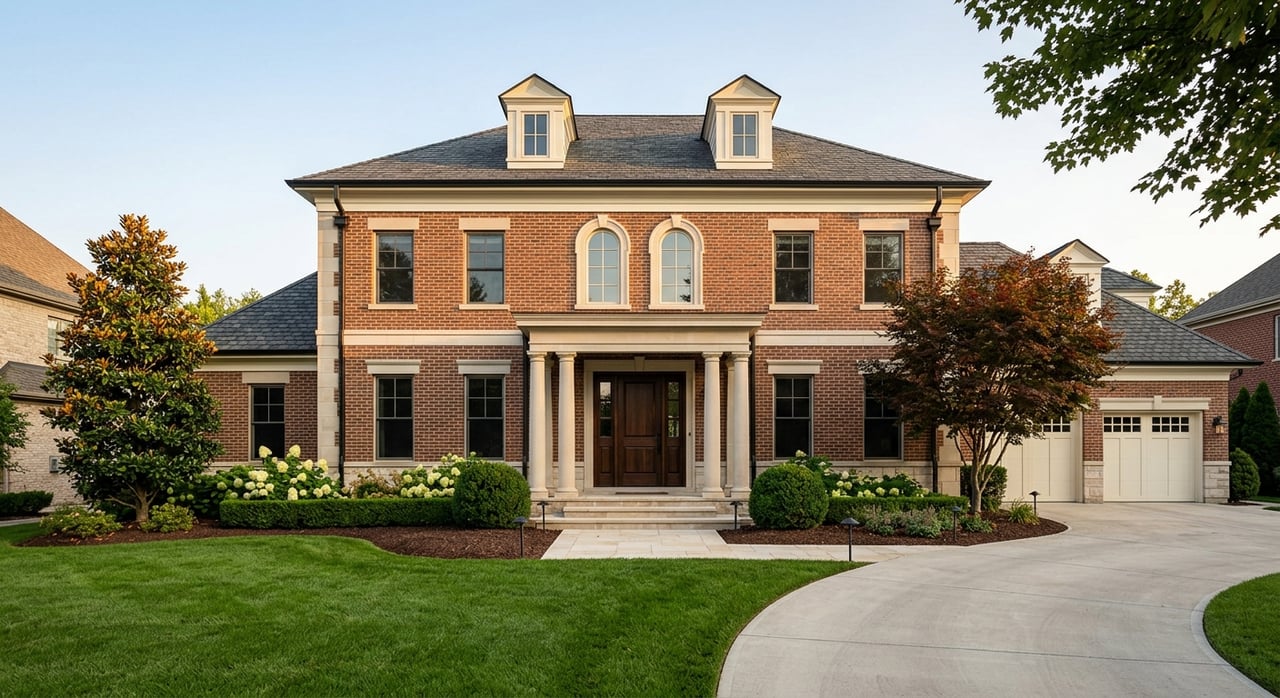
That planning context supports a housing mix that feels more varied than Milton’s. You will typically see a blend of newer subdivisions, attached housing near town-center areas, and larger single-family neighborhoods across the suburban grid.
Everyday life in Alpharetta
From a lifestyle perspective, Alpharetta is the most polished all-in-one suburban package of the three. The city promotes downtown events, live music, arts programming, Wills Park, and a strong calendar of seasonal events.
If you want broad retail and dining convenience, a newer-feeling suburban environment, and a city that sits between Milton’s lower-density profile and Roswell’s more historic texture, Alpharetta is often the most balanced choice.
Alpharetta commute notes
Alpharetta’s mean travel time to work is 26.3 minutes. City planning documents emphasize circulation, activity centers, and multimodal connections, but driving remains the practical default for many residents.
For many buyers, Alpharetta works best when you want convenience without jumping fully into either extreme. It can offer a more polished and central-feeling experience while still keeping a suburban rhythm.
Milton: Space, Privacy, and a Premium Setting
Why buyers choose Milton
Milton stands apart for its lower-density character and preservation-oriented identity. The city emphasizes rural heritage, open space, and a strong sense of place, and its 2040 plan is shaped around distinct character areas.
That planning approach points to a market where larger-lot single-family homes and estate-style properties are a dominant part of the overall feel. If your idea of home includes more land, more privacy, and a quieter setting, Milton often rises to the top quickly.
Everyday life in Milton
Milton is the quietest and greenest-feeling option of the three. Its parks system includes both active parks and passive preserves, and the city’s messaging consistently centers on preservation and community character rather than a dense entertainment core.
That means the lifestyle tradeoff is fairly clear. You may gain more space and a calmer atmosphere, but you may also give up some of the immediate convenience and in-town energy you would find in Alpharetta or Roswell.
Milton commute notes
Milton’s mean travel time to work is 28.0 minutes. The Deerfield area near Windward Parkway and GA 400 is the city’s most commercial district, and commute convenience can vary more by sub-area than it does in Alpharetta or Roswell.
That makes location inside Milton especially important. A home near Deerfield may function very differently from one in a more interior part of the city.
Roswell: Character and Established Appeal
Why buyers choose Roswell
Roswell tends to appeal to buyers who want a stronger sense of place. The city’s identity leans historic and cultural, with arts programming, historic house museums, and a preservation-focused historic district.
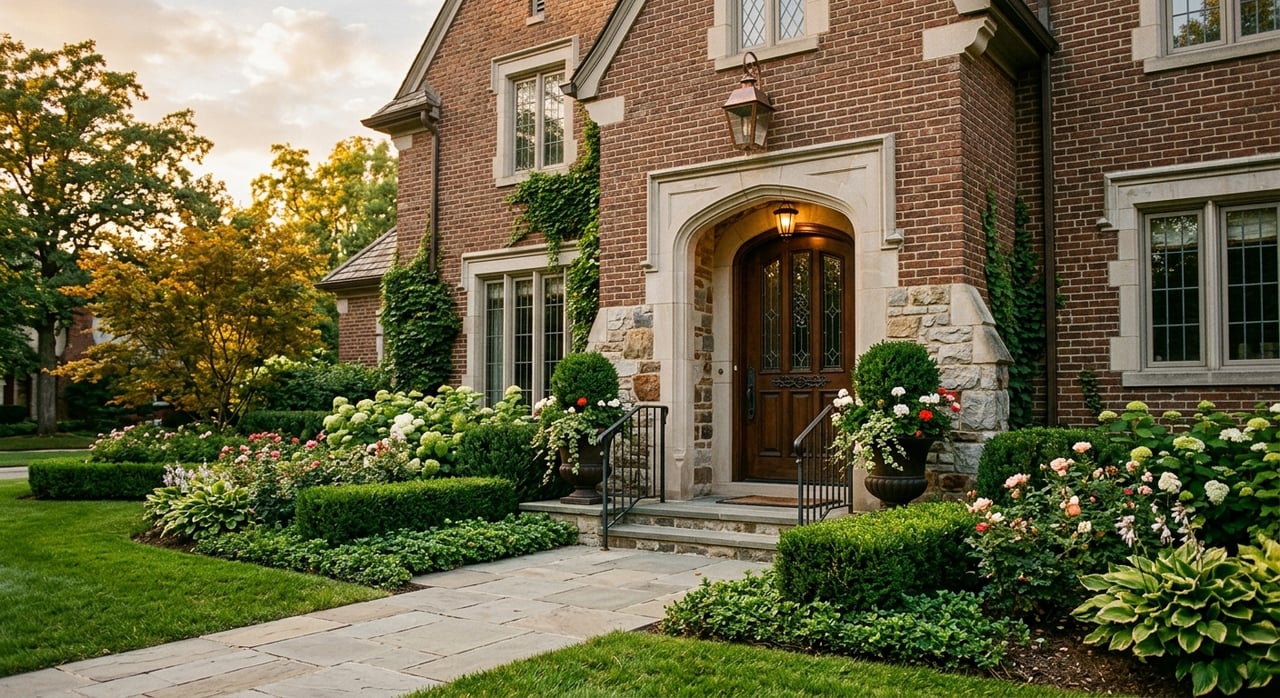
Its housing landscape generally feels more established, with historic in-town neighborhoods, older subdivisions, and corridor-connected areas that can feel more walkable than what you typically find in Milton.
Everyday life in Roswell
Roswell has the strongest in-town personality of the three cities. If you are drawn to local character, historic settings, and a more layered built environment, Roswell often feels distinct in a way that is easy to sense once you start touring homes.
It also offers the lowest citywide price baseline among the three, which can matter if you want to stay in North Fulton while keeping more flexibility in your budget.
Roswell commute notes
Roswell’s mean travel time to work is 26.9 minutes. The city runs MARTA bus routes 85 and 142 and has a Mansell Road Park/Ride lot, which gives it the clearest public transit toolkit of the three.
At the same time, the city identifies the SR 9 Historic Gateway and Holcomb Bridge Road near GA 400 as major transportation challenge areas. So while Roswell offers more transit options, it also has some very visible corridor congestion.
Why Micro-Location Matters Most
One of the biggest mistakes buyers make is choosing the city name before they choose the right part of the city. In reality, commute feel, daily convenience, and housing style can shift a lot from one corridor to another.
A buyer near GA 400-adjacent Alpharetta may have a very different daily routine than someone in a more interior part of Milton. The same is true between a Roswell historic area and a more corridor-oriented pocket.
If you are serious about choosing well, it helps to compare not just Alpharetta versus Milton versus Roswell, but also the sub-areas inside each one. In practical terms, that may mean looking at places like downtown Alpharetta or North Point, Deerfield or Crabapple in Milton, or Canton Street, the Historic District, and the Holcomb Bridge corridor in Roswell.
A Simple Way to Decide
If you are still torn, start with the priority you care about most.
- Choose Alpharetta if you want the most balanced option with strong convenience, varied housing, and a polished suburban feel.
- Choose Milton if you want more space, more privacy, and you are comfortable paying for a premium, lower-density setting.
- Choose Roswell if you want more established character, historic in-town energy, transit options, and a lower citywide price baseline.
Once you know which of those priorities matters most, your search usually gets much clearer.
The Best Choice Is Personal
These three cities each offer something compelling, and that is exactly why the decision can feel hard. The good news is that your best fit usually becomes obvious once you align your budget, commute tolerance, and lifestyle priorities with the right micro-location.
If you want help sorting through the tradeoffs, comparing specific neighborhoods, or finding the right home in Alpharetta, Milton, or Roswell, Casey Rutherford can help you make a smart, confident move.
FAQs
What is the main difference between Alpharetta, Milton, and Roswell?
- Alpharetta is generally the balanced choice for convenience and polish, Milton is known for more space and privacy, and Roswell stands out for historic character and a more established in-town feel.
Which city has the highest home prices in Alpharetta, Milton, or Roswell?
- Milton has the highest citywide price profile, followed by Alpharetta, with Roswell showing the lowest citywide averages of the three based on the research provided.
Which city feels the least dense between Alpharetta, Milton, and Roswell?
- Milton has the lowest population density of the three, which supports its more spread-out and lower-density feel.
Which city has the most transit options among Alpharetta, Milton, and Roswell?
- Roswell has the clearest public transit toolkit of the three, including MARTA bus routes 85 and 142 and the Mansell Road Park/Ride lot.
How should you choose between Alpharetta, Milton, and Roswell as a homebuyer?
- Start with your top priorities, especially budget, desired home setting, and commute pattern, then compare the specific corridors or neighborhoods inside each city rather than relying on the city name alone.