Thinking about moving to Johns Creek? If you are balancing school planning, commute realities, and day-to-day lifestyle, this North Atlanta suburb often lands high on the shortlist for good reason. The key is knowing how Johns Creek actually works on the ground, from address-based school assignments to traffic corridors and the type of housing you are most likely to find. Let’s dive in.
Why Johns Creek Stands Out
Johns Creek is a suburban city in metro Atlanta with an established housing base, a strong professional job presence, and a lifestyle that blends parks, trails, and everyday convenience. According to the city profile, residents have a median age of 40.1, average household size of 2.95, and median household income of $156,427.
The city also has a highly educated resident base. The same profile reports that 71.3% of residents hold a bachelor’s degree and 28.5% hold a graduate or professional degree. For many relocators, that helps explain the city’s professional, polished feel and its appeal to executives and other career-driven households.
Johns Creek Housing at a Glance
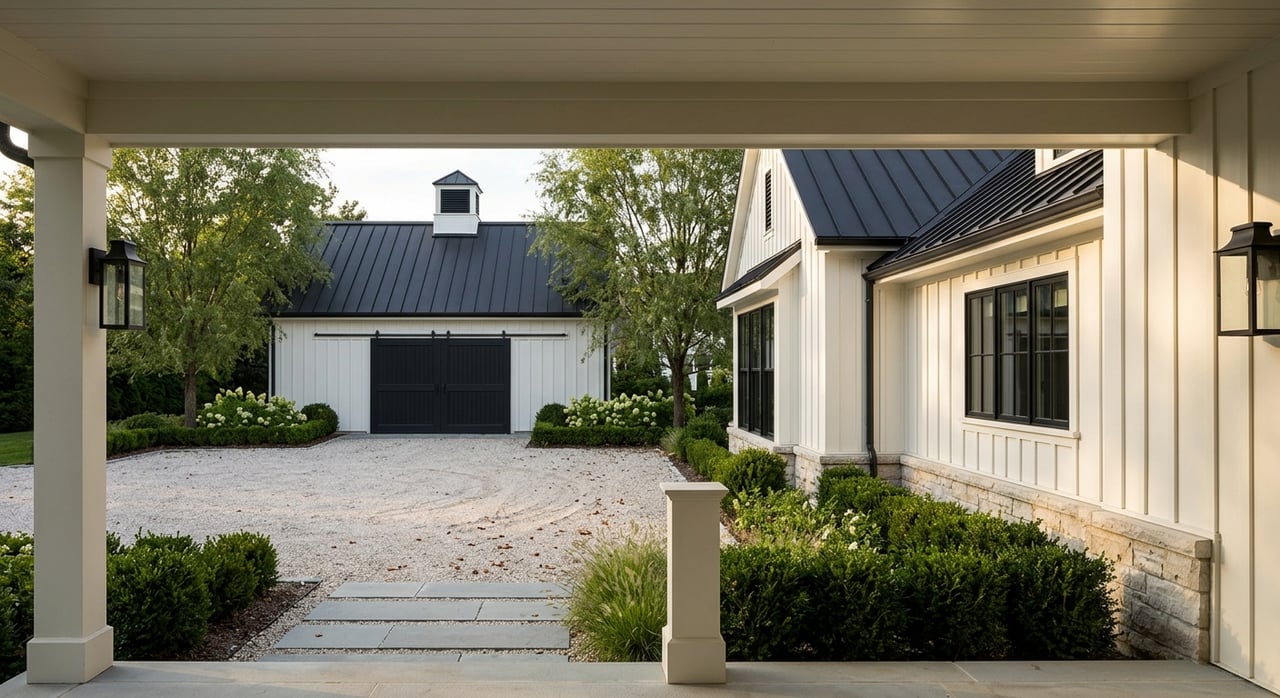
If you are hoping for rows of brand-new subdivisions, Johns Creek may not be the perfect match. The city is relatively built out, with few remaining vacant parcels available for development, so most home searches here are centered on resale homes rather than new construction.
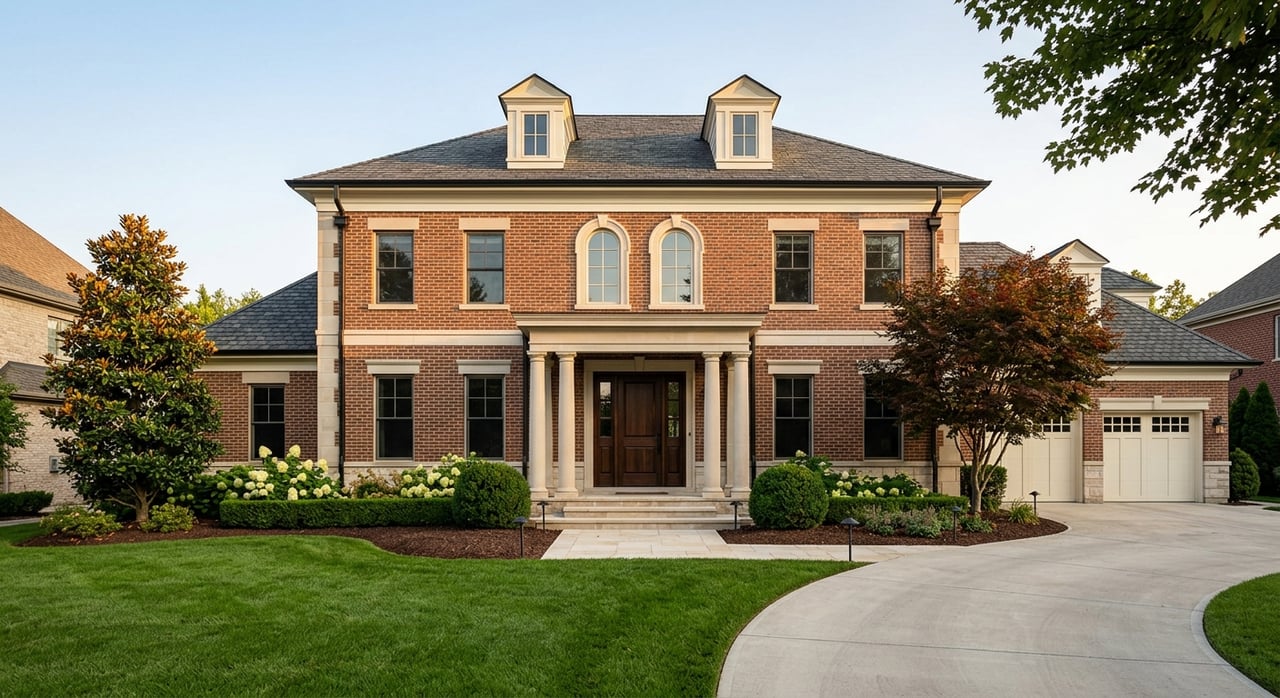
That established feel is rooted in the housing stock itself. The city profile says 75% of homes were built between 1980 and 2000, while only 3.5% were built before 1980. In practical terms, you will often see mature neighborhoods, larger lots than newer high-density communities, and a wide range of renovation levels.
Current Zillow data shows an average home value of $706,441 and a March 2026 median sale price of $667,602. For many buyers, that places Johns Creek broadly in the mid-six-figure to low-seven-figure range, depending on the area, lot size, updates, and school assignment.
A smaller share of the market is renter-occupied. The city profile reports that 19.1% of homes are renter-occupied, with the highest renter concentration in western and central townhome subdivisions. That can matter if you are deciding between detached homes and attached options while learning the city.
Schools in Johns Creek Require Address Checks
One of the biggest relocation mistakes in Johns Creek is assuming a neighborhood name automatically tells you the school path. Public schools here are part of Fulton County Schools, and the city is best understood through feeder clusters rather than one simple citywide system.
That means your exact street address matters. In some cases, even the same elementary school can feed into more than one middle or high school path depending on the home address.
Northview feeder pattern
Northview High School lists Findley Oaks, Medlock, Shakerag, and Wilson Creek elementary schools as feeders. Its middle school feeder is River Trail Middle School.
Johns Creek High feeder pattern
Autrey Mill Middle School lists Barnwell, Dolvin, Medlock Bridge, State Bridge Crossing, and Wilson Creek elementary schools as feeders. Students from Autrey Mill attend Johns Creek High School.
Chattahoochee feeder pattern
Taylor Road Middle School lists Abbotts Hill, Findley Oaks, Lake Windward, Ocee, and State Bridge Crossing elementary schools as feeders. Students from Taylor Road attend Chattahoochee High School.
Why subdivision assumptions can backfire
Some elementary schools in Johns Creek have split assignments by address. State Bridge Crossing Elementary says students attend either Taylor Road or Autrey Mill for middle school and either Chattahoochee or Johns Creek for high school, depending on address. Wilson Creek Elementary also notes that fifth graders attend either River Trail and Northview or Autrey Mill and Johns Creek.
For you as a buyer, the takeaway is simple. Always confirm school assignment by the exact property address before you make a decision, even if a neighborhood is commonly associated with a certain school path.
Commutes in Johns Creek: What to Expect
Johns Creek works well for many professionals, but commute planning matters. The city’s transportation network is built around SR 141, also called Medlock Bridge Road, and State Bridge Road, which are two of the most important corridors for getting across town and connecting to the broader north-metro area.
The city profile says the highest daily traffic volumes are on SR 141 and State Bridge Road. It also notes that Medlock Bridge, State Bridge, Kimball Bridge, Abbotts Bridge, Old Alabama, and McGinnis Ferry can be over capacity during peak commute periods.
That does not mean every commute feels difficult. It does mean your experience can vary significantly depending on which side of Johns Creek you choose, how close you live to your most-used corridor, and whether your daily schedule lines up with rush-hour peaks.
Road improvements are underway
Johns Creek is actively investing in road capacity and connectivity. The city says the McGinnis Ferry widening project stretches from Ronald Reagan Boulevard, east of the new SR 400 interchange, to Hospital Parkway.
The city also says the Medlock Bridge and McGinnis Ferry intersection project adds lanes plus pedestrian and bicycle connectivity. For relocators, that is a useful sign that northward access remains an important planning focus for the city.
Sidewalks and trails add local mobility
Commute planning is not only about driving time. Johns Creek Public Works says the city maintains 252 miles of roads, 20 bridges, and nearly 100 miles of trails and sidewalks.
Its sidewalk and trail program prioritizes safety, connectivity, and proximity to schools, parks, libraries, and activity centers. If walkability to destinations is high on your list, that can be a meaningful quality-of-life factor in certain parts of the city.
Local Jobs and Business Hubs
For many relocators, Johns Creek is not just a bedroom community. The city profile identifies about 28,166 jobs within Johns Creek, which supports a meaningful local employment base in addition to access to nearby business centers across North Atlanta.
The largest sectors are professional and technical services, retail, finance and insurance, accommodation and food services, and healthcare and social assistance. Johns Creek also positions itself as a healthcare, life sciences, and innovation hub, with more than 700 professional, scientific, and technical services companies and a healthcare cluster anchored by Emory Johns Creek Hospital.
Most of those jobs are concentrated in Technology Park along SR 141 and near commercial centers at major intersections. The city’s top five employers are Alcon Laboratories, Emory Johns Creek Hospital, Macy’s Systems and Technology, Atlanta Athletic Club, and Nordson Corporation.
For you, that can translate into more ways to shorten a commute or stay connected to a strong regional job base. It also adds to the city’s appeal for households with one or more professionals working in healthcare, corporate, technical, or service-oriented roles.
Lifestyle in Johns Creek
Johns Creek offers a suburban lifestyle, but it is not one-note. You will find an established residential feel paired with parks, trails, golf, river access, and an evolving Town Center area.
The city’s live Recreation and Parks page says Johns Creek has nine parks totaling more than 400 acres. Notable destinations include Cauley Creek Park, Ocee Park, Shakerag Park, and Newtown Dog Park.
Parks and outdoor access
Cauley Creek Park is a standout amenity. The city describes it as a 203-acre park with a 3.1-mile rubberized trail, pickleball courts, fields, and river overlooks.
Johns Creek also includes 13.5 miles of the Chattahoochee River along its eastern and southern boundaries. The city profile notes three Chattahoochee River National Recreation Area units within city limits, along with six golf courses.
Town Center is evolving
Even though most of Johns Creek remains suburban and established, the city is adding more mixed-use and pedestrian-oriented features. The Boardwalk at Town Center is part of a broader 192-acre Town Center transformation.
The Boardwalk page specifically describes a pedestrian tunnel under Medlock Bridge Road that will connect the Town Center area to the park behind City Hall. For buyers who want a more connected civic core without giving up a suburban setting, that is a trend worth watching.
What Relocation Buyers Should Know
A smart Johns Creek move usually starts with clarity on your priorities. If your focus is school planning, established neighborhoods, and access to a substantial north-metro job base, Johns Creek often deserves a serious look.
If your top priority is brand-new construction within city limits, you may find fewer options here than in farther-out growth areas. Because the city is largely built out, resale inventory tends to drive the market.
Before you narrow your search, it helps to answer a few practical questions:
- Which commute corridors will you use most often?
- Do you want a resale home that is move-in ready or one with renovation potential?
- Is your school search centered on a specific feeder path?
- Would you rather be closer to parks and trails, Town Center activity, or major road access?
- Are you open to townhome areas, or are you focused on single-family homes?
Those answers can quickly shape which parts of Johns Creek make the most sense for your move.
A Thoughtful Way to Search Johns Creek
Because school assignments can split by address and commute patterns can vary block by block, a Johns Creek home search benefits from more than a broad online filter. You want to evaluate each home in context, including the feeder pattern, renovation level, lot characteristics, and how the location supports your daily routine.
That is especially true in a market where established homes can differ widely in style, updates, and value. Two homes with similar square footage may offer very different living experiences depending on road access, layout, and long-term fit.
If you are planning a move to Johns Creek and want a clear, data-informed strategy for neighborhoods, school assignments, and resale opportunities, Casey Rutherford can help you build a focused relocation plan.
FAQs
How do public school assignments work in Johns Creek?
- Public schools in Johns Creek are part of Fulton County Schools, and assignments are based on feeder patterns and, in some cases, exact street address rather than just neighborhood name.
What is the typical home price range in Johns Creek?
- Zillow data in the research report shows an average home value of $706,441 and a March 2026 median sale price of $667,602, so many buyers will find Johns Creek in the mid-six-figure to low-seven-figure range depending on the property.
Is Johns Creek a good place for commuters?
- Johns Creek offers access to a substantial north-metro job base, but commute times depend heavily on your route since corridors like SR 141, State Bridge, and McGinnis Ferry can be congested during peak periods.
Does Johns Creek have a lot of new construction homes?
- Johns Creek is relatively built out, and the city reports few remaining vacant parcels for development, so most buyers should expect a resale-led market rather than large amounts of new construction.
What is the lifestyle like in Johns Creek for new residents?
- Johns Creek offers an established suburban lifestyle with parks, trails, golf, river access, and a growing Town Center area that is adding more walkable, mixed-use features.